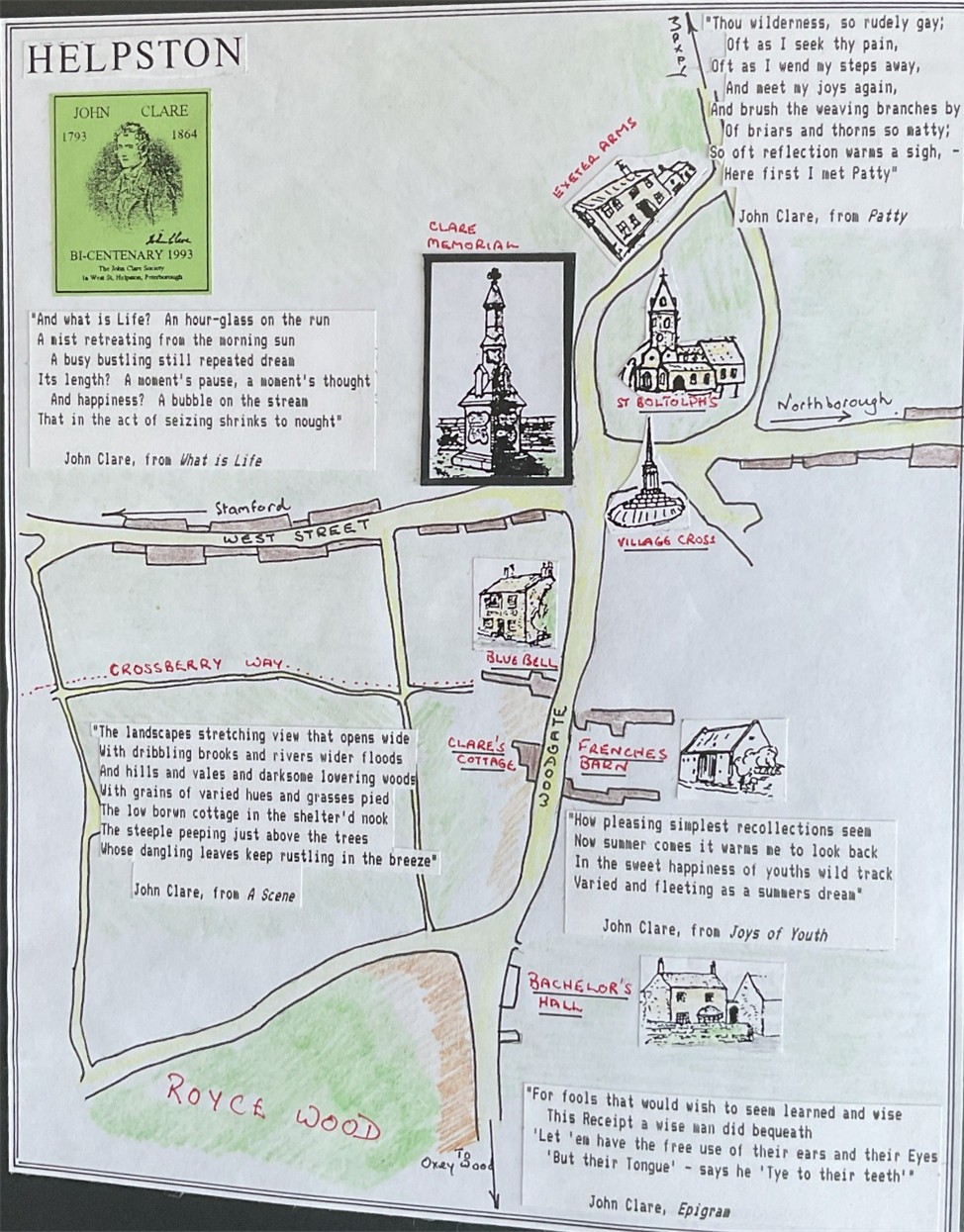
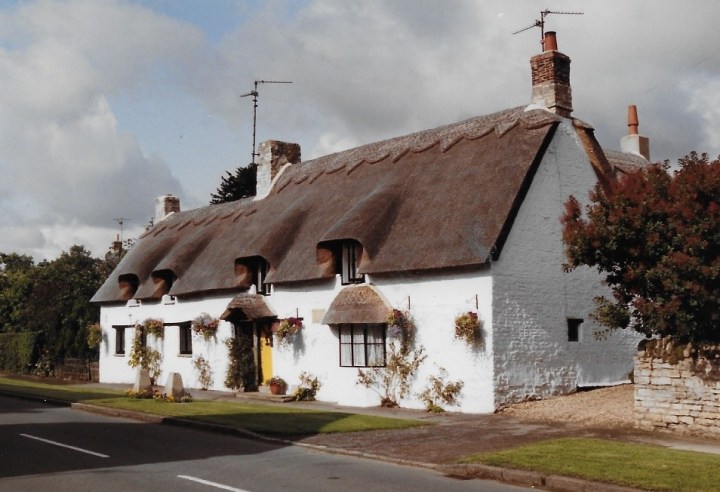
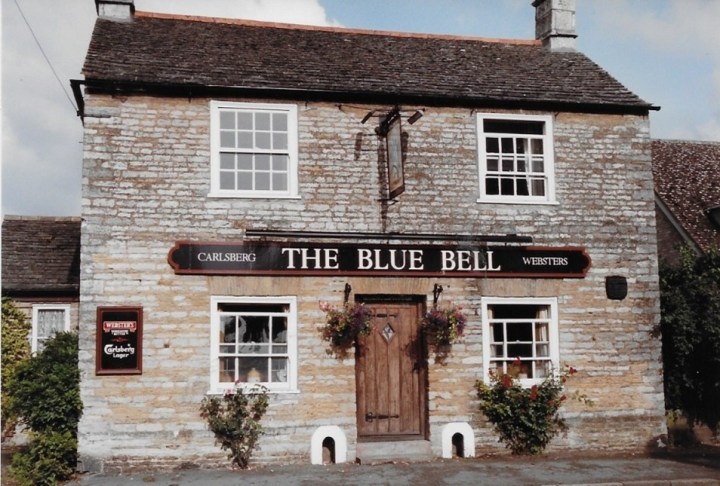
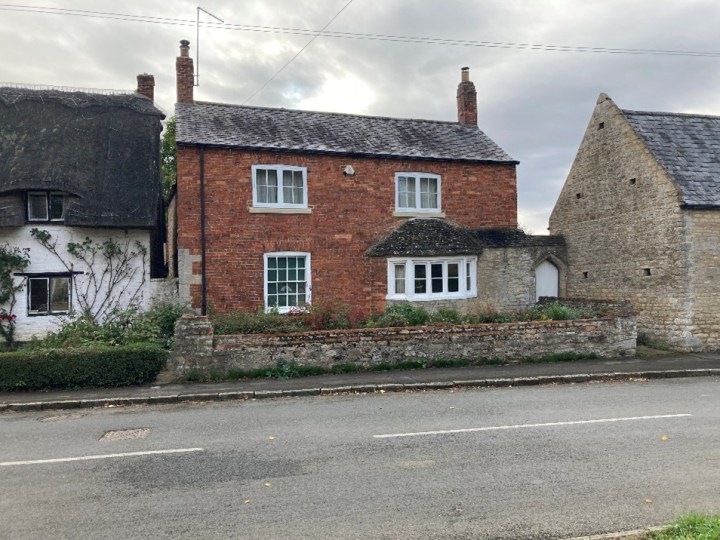
Helpston(e). The place of John Clare’s birth on 13 July 1793. The village became his ‘old home of homes’ and the place of his ‘Eden’; his childhood, the friends he made that for him were to be the deepest, and his enduring love for Mary Joyce. He wrote of it and its surroundings in his poetry and mourned its changes and losses. It was also a place of work for him, including at the Blue Bell pub, and of raucous get-togethers with his friends, the Billings brothers at their home which is still there and named Batchelors Hall. Yet he also described it as ‘a gloomy village in Northamptonshire, on the brink of the Lincolnshire fens’ (JCBH 2).
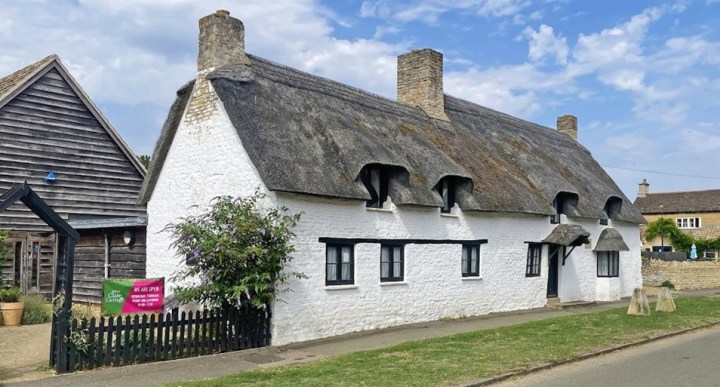
Helpson is now in Cambridgeshire and has lost the final ‘e’ at the end. It is not a fen village as Clare suggests but is built on a ridge between limestone and peat where wooded uplands dissolve into immense flat, open spaces. Within an eight-mile radius of the village cross can be found virtually the whole of Clare’s kingdom (ES 31). Clare lived there until his move to Northborough in 1832, first in a tenement with his parental family and then with his wife Martha (‘Patty’) Turner in what now forms part of the ‘John Clare Cottage’ museum and environmental centre.
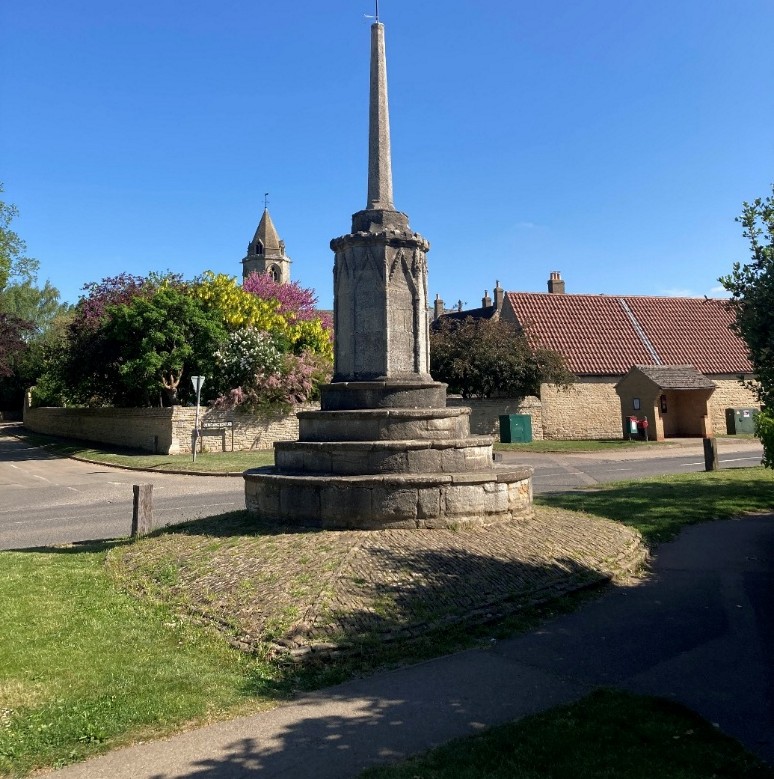
The first great, and lasting, catastrophe in Clare’s life at Helpston was ‘enclosure’. This was a series of UK Acts of Parliament that consolidated common land and open fields into private, fenced-off property. It destroyed traditional community farming leading to the loss of rural livelihoods, significant social disruption and displacement for many. An Act of Parliament authorising the enclosure of Helpston was passed in 1809 when Clare was sixteen.
The topography of the whole parish was altered as commons, strips, meadows, wastes, roads, footpaths, streams, ponds and tree disappeared. In place of the old spacious landscape came a new one of small rectangular fields with new roads through the parish and realigned streams.
It is impossible to imagine the impact of this change on the poor villagers. Their world was transformed beyond recognition. The bleakness and bareness of the new landscape is something Clare frequently comments upon in his poetry. It was not merely the appearance of the new landscape which offended Clare but also the loss of his freedom.
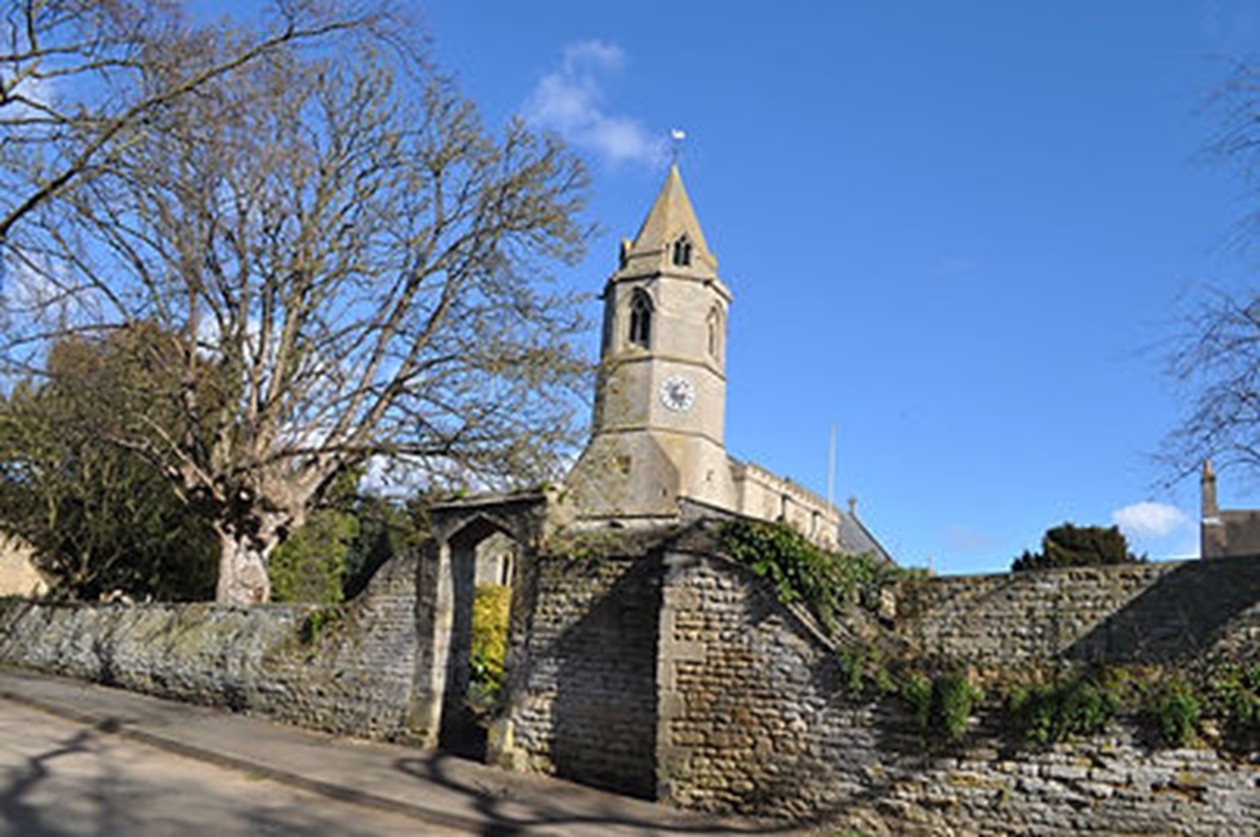
One of the most striking features is the forcefulness of his language and the depth of his anger. Although pre-enclosure rural life was often harsh, bleak and cruel, there was a real sense of community and mutuality. Everyone could feel some self-respect and pride. Enclosure represented a violation of the rights of the rural poor. Clare wrote about the loss of ‘freedoms birthright’ and of ‘the little that is mine’ (see his poem ‘To a Fallen Elm’. But enclosure did not operate in isolation, it was part of a gradual process of change which resulted in a new economic and social order in the English countryside. (This paragraph draws heavily on Bob Heyes 1987).
Websites
John Clare Cottage
Helpston Local History Group
Church of St Botolph
References
Bob Heyes, ‘John Clare and Enclosure’, JCSJ 6 (1987), 10-19.
Margaret Grainger and the late John Chandler, ‘From Helpston to Burghley: A Reading of Clare’s ‘Narrative Verses’’, in JCSJ, No.7, 1988, pps. 26-40.
See also Charles Causley’s poem, ‘Helpston’ (JCSJ 7, 1987, p. 36).
Abbreviations
ES: Edward Story, A Right to Song: The Life of John Clare (London: Methuen, 1982).
JB: Jonathan Bate, John Clare: A Biography (London: Picador 2003).
JCBH: Eric Robinson and David Powell (eds), John Clare By Himself (Ashington: Carcanet, 1996
JCSJ: John Clare Society Journal
JCSN: John Clare Society Newsletter


You must be logged in to post a comment.